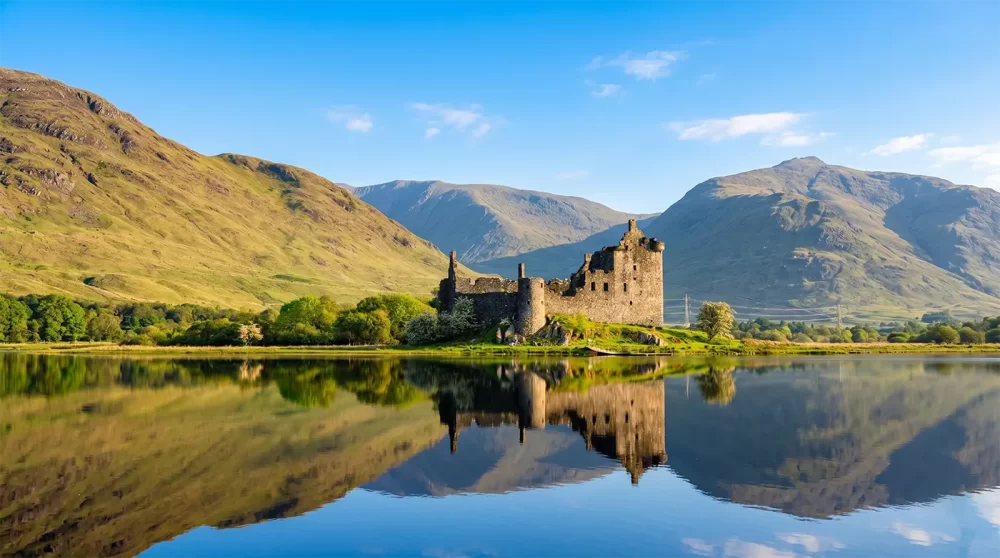
Wondering what it would be like moving to the Highlands?
Moving to the Highlands from elsewhere in the UK is not just a change of address; it is a complete lifestyle shift.
The pace slows, the scenery opens up, and daily life feels very different from towns and cities further south.
That said, relocating to the Scottish Highlands requires more planning than a typical house move.
Distances are greater, services can vary, and seasonal weather plays a bigger role in how things run.
Scotland is a stunning place, and with the right preparation, though, it can be one of the most rewarding moves you will ever make.
This guide walks you through what truly matters, so you can transition smoothly and confidently.
Highlands Relocation Guide What This Article Covers
- Understanding Highland Geography and Travel – Learn how distance, rural roads, and limited transport impact daily life and journey times.
- Choosing the Right Area for Your Lifestyle – Compare towns and villages to match your needs for amenities, work, and connectivity.
- Property Market and Housing Considerations – Explore pricing, property types, and what to expect from the Scottish buying process.
- Preparing for Weather and Seasonal Changes – Understand how climate and daylight hours affect travel, routines, and planning.
- Employment and Remote Working Realities – Discover job sectors, remote work options, and why broadband checks are essential.
- Schools, Healthcare and Local Services – Get clear on access to education, GP registration, and essential services in rural areas.
- Planning the Logistics of Your Move – Find out how to organise a long-distance move with rural access and timing in mind.
- How Moray Firth Moving & Storage Can Help – See how expert support can simplify your Highland relocation from start to finish.
- Frequently Asked Questions About Moving to the Highlands – Quick answers to common concerns around costs, transport, and settling in.
Use this guide to stay one step ahead, avoid common pitfalls, and make your move to the Highlands as smooth and stress-free as possible.
Understanding Highland Geography and Travel
Before committing to moving to the Highlands, it is worth understanding just how vast and spread out the region is.
What looks close on a map can take much longer to reach due to single-track roads and rural routes.
Public transport is available but very limited in certain areas. If you rely on buses or trains, check routes in advance using Transport Scotland’s journey planner: https://www.travelinescotland.com
A car is pretty much vital as driving becomes a key part of daily life for most Scottish residents, unless you choose to live in locations such as Edinburgh or Glasgow.
Planning your commute, access to shops, and emergency services ahead of time will help avoid surprises once you are settled.
Choosing the Right Area for Your Lifestyle
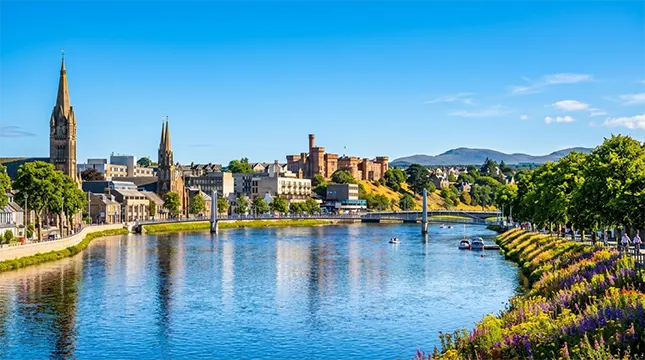
Relocating to the Scottish Highlands is not one size fits all.
Inverness offers a lively hub with shops, schools, and healthcare, while smaller villages provide peace and quiet but fewer amenities.
Think about what you need day to day. Schools, broadband speed, healthcare access, and local employment all vary depending on location.
You can explore regional insights and housing trends through the Highlands and Islands Enterprise area profile here: https://www.hie.co.uk/our-region/
Balancing scenery with practicality is key. The dream view is important, but so is being able to get groceries without a two-hour round trip.
Property Market and Housing Considerations
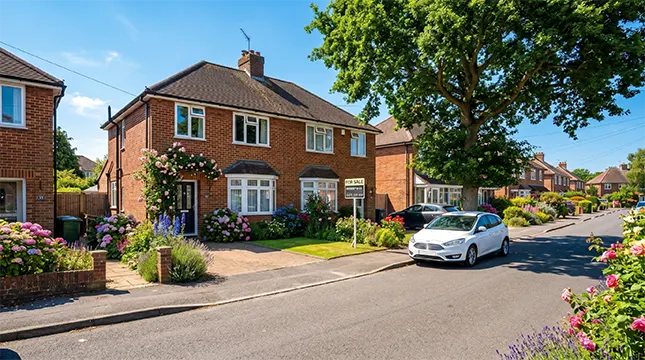
The property market in the Highlands has its own gentle rhythm, although demand has grown in recent years, particularly from buyers south of the border seeking more space and a quieter lifestyle.
Homes in the Highlands can range from modern builds offering all the latest gadgets and with energy efficiency addons including triple-glazed windows and solar or heat pump systems, to traditional cottages, many of which require maintenance or complete upgrades.
You can review current Scottish property trends through the UK House Price Index.
One of the great advantages of moving north of the border is that property prices are significantly lower than the rest of the UK, welcome news indeed.
When moving to the Highlands, allow extra time for surveys and legal processes, as rural transactions can take longer than urban ones.
It is important to note that there are some differences when buying or selling a property in Scotland. The espc website has published very helpful information in their article Key Differences Between Buying Property in Scotland and England.
Preparing for Weather and Seasonal Changes
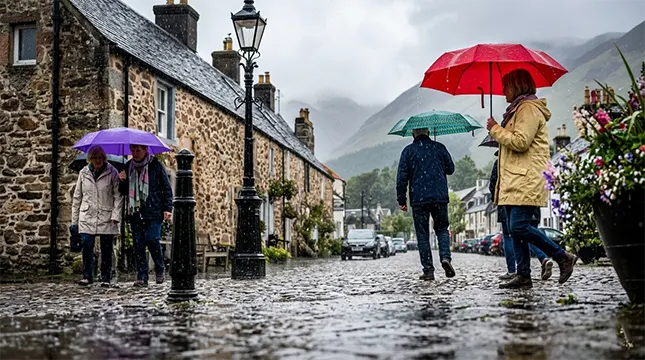
One of the biggest adjustments when relocating to the Scottish Highlands is the weather.
Winters can be harsher, with shorter daylight hours and occasional travel disruption.
Snow, wind, and rain can impact roads and delivery schedules, so planning ahead is essential.
Keeping supplies stocked and understanding local conditions will make life easier.
The Met Office offers detailed regional climate guidance on its live feed website.
It is not all challenging, though. The dramatic seasons are part of the appeal, from crisp winter landscapes to long summer evenings that stretch late into the night, and, in many places, you are almost guaranteed a white Christmas!
Employment and Remote Working Realities

Employment opportunities in the Highlands are more limited than in larger UK regions and cities, but the landscape is gradually evolving.
Tourism, healthcare, education, construction, and local services continue to form the backbone of the regional economy, with seasonal roles also playing a part in some areas.
For many, moving to the Highlands now goes hand in hand with remote working.
This has made relocation far more accessible, allowing people to keep their existing roles while enjoying a completely different lifestyle. That said, connectivity is not something you can take for granted. Broadband speeds can vary significantly depending on how rural your chosen location is.
Before committing to a property, it is essential to check what is actually available.
You can review coverage and expected speeds using Ofcom’s postcode checker here: https://checker.ofcom.org.uk/en-gb/broadband-coverage
If you rely on video calls or cloud-based systems, prioritising a strong, stable connection will make all the difference to your day-to-day working life.
Schools, Healthcare and Local Services

For families, access to schools and healthcare will be a high priority when moving to the Highlands. While services are well established, they are more spread out.
School catchment areas can be large, and transport arrangements may differ from what you are used to.
Healthcare facilities are reliable but may require travel for specialist services.
NHS Scotland provides useful guidance on registering with a GP. It is vital to ensure your UK surgery information is transferred quickly, particularly if you take prescribed medication.
Planning these essentials early ensures a smoother transition once you arrive.
Planning the Logistics of Your Move

Relocating to the Scottish Highlands requires careful logistical planning. Longer distances, rural access, and narrow roads mean your move needs to be well organised.
Choosing an experienced removals company familiar with Highland routes can make a huge difference.
Timing is also important, especially in winter months when the temperamental Scottish weather can cause delays, sometimes for days at a time.
Decluttering before you move will reduce costs and make unpacking far easier. Creating a realistic moving timeline will help keep everything on track from start to finish.
How Moray Firth Moving & Storage Can Help
If you are planning to move to the Highlands, having the support of a reliable removals partner takes a lot of pressure off your shoulders.
Moray Firth Moving & Storage offers a professional, friendly service built around local knowledge and years of experience handling moves across Scotland.
As proud members of the British Association of Removers, they meet strict industry standards, giving you confidence that your belongings are in safe hands.
Whether you are relocating a small household or a full family home, their team can manage packing, transport, and storage solutions tailored to your needs.
To get started, visit https://morayfirthremovers.com/contact-us/ or call their team directly (01309 580030) to discuss your move and request a personalised quote.
Frequently Asked Questions About Moving to the Highlands
Is moving to the Highlands more expensive than other UK moves?
It can be slightly higher due to distance and accessibility, but careful planning and decluttering can help keep costs under control.
Do I need a car when relocating to the Scottish Highlands?
In most areas, yes. Public transport exists but is limited compared to urban regions.
Is broadband reliable in the Highlands?
It depends on the location. Some areas have excellent fibre connections, while others rely on slower speeds.
How long does it take to settle in after moving north?
Most people adjust within a few months, especially once routines and local connections are established.
Is the Highland property market competitive?
Demand has increased in recent years, so desirable homes can move quickly. Being prepared helps secure the right property.
Do I need to update my address before moving day?
It is best to start updating your address at least one to two weeks before you move. Notify banks, utility providers, your GP, and set up a mail redirection with Royal Mail to avoid missing important post.
What should I pack separately for moving day?
Keep a small essentials box with items like chargers, important documents, medications, toiletries, and a change of clothes. Having these to hand saves you digging through boxes on your first night in your new home.


